Subtotal 0,00 €

The Influence of Environment on Behavior
The design of a casino is meticulously crafted to influence guest behavior. When visitors step through the doors, they are instantly enveloped in an environment that engages their senses. Vibrant colors, captivating lights, and stimulating sounds work in concert to create an atmosphere that feels both exhilarating and comfortable. These sensory elements are not arbitrary; they are strategically chosen to evoke feelings of happiness and anticipation, encouraging patrons to indulge in gaming and entertainment, including exploring betting sites australia to enhance their experience. This emotional engagement is crucial, as it directly impacts the amount of time and money guests are willing to spend within the establishment.
Moreover, the layout of a casino plays a pivotal role in shaping visitor experiences. Most casinos feature open floor plans designed to facilitate easy movement and navigation. This choice minimizes physical barriers between gaming areas, allowing players to transition seamlessly from one machine or table to another. By reducing friction in movement, casinos encourage longer play sessions, leveraging the psychology of convenience. This design approach not only enhances user experience but also maximizes the likelihood that players will stay longer and engage more deeply with the myriad gaming options available.
In addition to visual and spatial elements, the olfactory experience within a casino subtly influences visitor behavior. Many establishments utilize specific scents or air fresheners to create a unique olfactory signature that lingers in the minds of their guests. Research shows that particular scents can evoke emotions and trigger memories, enhancing the overall experience. For instance, a fresh, enticing scent can evoke feelings of excitement and relaxation, reinforcing the enjoyable atmosphere that casinos aim to cultivate. This powerful connection between scent and memory can lead to repeat visits, as guests associate the distinctive aroma with fun and rewards, heightening their desire to return.
The Role of Game Placement and Design
Game placement is a critical element in a casino’s overall strategy, as it greatly affects foot traffic and player engagement. Designers carefully consider where to position popular games and slot machines to optimize visibility and accessibility. For instance, high-denomination games are often placed near entrances to attract guests’ attention and entice them to play immediately. Conversely, low-risk games may be situated in quieter areas, creating a sense of comfort and familiarity for less experienced players. Understanding how guests navigate and interact with space is essential for maximizing game exposure and maintaining a steady flow of patrons throughout the casino.
The design of individual games also contributes significantly to their psychological impact on players. Slot machines, for example, are engineered not only for functionality but also to create an immersive experience. Designers intentionally incorporate eye-catching graphics, captivating sounds, and interactive features to keep players engaged. These elements induce a psychological state known as ‘flow,’ where players become absorbed in the gaming experience. The design is meticulously structured to provide near-wins and frequent smaller payouts, which stimulate excitement and prolong playtime by triggering the brain’s reward system. This careful crafting ensures that players remain engaged and invested in the gaming experience.

Furthermore, casinos leverage the psychology of loss aversion in their game offerings. Research indicates that individuals are often more motivated by the fear of losing money than by the prospect of winning. Therefore, games are designed to incorporate various mechanisms that mitigate feelings of loss and enhance the perceived likelihood of winning. For instance, some machines offer free spins or bonus rounds that can uplift players’ spirits, helping to maintain engagement. By capitalizing on these psychological tendencies, casinos ensure that the gambling experience remains rewarding and enjoyable, promoting longer stays and increased spending.
The Importance of Social Interaction
Social interaction is a vital component of the casino experience, and designers create spaces that facilitate and encourage socialization among patrons. Many casinos incorporate bars, lounges, and restaurants within their premises to provide guests with opportunities to connect with one another. This social aspect enhances entertainment value, transforming visits to casinos into occasions for forming connections and enjoying shared experiences. The ability to socialize not only enhances the enjoyment of gaming but also makes patrons more likely to stay longer and spend more as they engage in communal activities.
Moreover, table games naturally foster social interaction more than solitary gaming options. Players at poker or blackjack tables can engage with both the dealer and fellow players, fostering camaraderie and competition. This interaction can lead to an increased sense of belonging and excitement, incentivizing players to remain engaged and continue playing. Casino designers often create wide-open spaces around gaming tables to promote engagement while infusing the environment with energy and excitement. Such designs remind players that they are part of a larger community, enhancing their overall experience and encouraging repeat visits.
Promotional events and tournaments serve as additional avenues for stimulating social engagement within casinos. These events not only attract players but also cultivate a shared atmosphere of excitement and competition. When players feel connected to one another during these events, it enhances their overall experience, leading them to associate positive feelings with the casino itself. By fostering social connections, casinos increase loyalty and repeat patronage, as guests are more inclined to return for both the gaming experiences and the sense of community.
The Impact of Lighting and Color Psychology
Lighting and color are integral components of casino design, profoundly affecting mood and perception. Many casinos utilize various lighting techniques, such as ambient, task, and accent lighting, to create distinct atmospheres that appeal to different types of players. For instance, bright, dynamic lighting may be employed near slot machines to evoke excitement, while softer lighting in lounge areas can foster a sense of relaxation. The effective use of lighting is crucial for setting the emotional tone, ensuring that visitors feel compelled to explore the casino further and engage with the gaming offerings available.
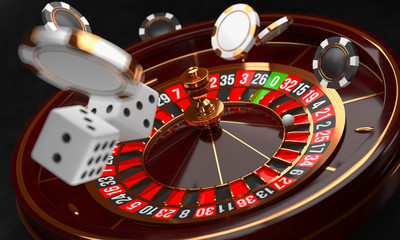
Color psychology is another essential aspect of casino design, as colors can influence mood, behavior, and decision-making. Warm colors like red and yellow are often used to evoke feelings of energy and excitement, while cooler tones like blue and green can instill calmness and focus. For example, the color red is frequently utilized in high-energy gaming areas, as it encourages enthusiasm and excitement among players. By strategically pairing colors with intended emotional responses, casinos can significantly shape a visitor’s experience, enhancing their time and spending habits within the establishment.
The interplay between lighting and color further amplifies the overall appeal of a casino environment. By combining specific lighting techniques with targeted color choices, designers can create a cohesive aesthetic that captivates and engages visitors. This synergy reinforces the casino’s brand identity while optimizing the emotional responses of patrons. The result is an immersive environment tailored to keep players entertained, ultimately increasing their likelihood of spending more time—and money—within the casino.
Understanding the Website Behind the Design
As with physical casino design, the digital presence plays a crucial role in shaping the overall user experience. A well-designed website not only reflects the casino’s brand but also extends the immersive experience into the online realm. User-friendly navigation, appealing visuals, and engaging content are essential components that keep users interested and encourage their return. By creating a seamless transition from physical to digital spaces, casinos can maintain engagement and build a loyal customer base, regardless of where patrons choose to enjoy their gaming.
Moreover, the website serves as a platform for casinos to communicate their identity, values, and offerings. Visitors can explore various games, promotions, and events available, evoking the same excitement and anticipation they experience within the physical casino. Effective website design also incorporates elements that foster a sense of community, such as forums or social media integration, enhancing the overall connection between the casino and its patrons. This digital interaction reinforces customer loyalty and encourages repeat visits.
In conclusion, the psychology behind casino design is a multifaceted consideration that influences how guests interact with the space and each other. From environmental factors to the strategic placement of games, the entire design is rooted in psychological principles aimed at maximizing enjoyment and spending. The importance of maintaining an engaging online presence mirrors these values, making it essential for casinos to invest in both physical and digital designs. This cohesive approach can significantly enhance customer loyalty and ensure repeat visits, ultimately helping casinos thrive in an evolving industry.
Comments are closed